Visit The Clinic
12B Agoro Odiyan Street, Off Adeola Odeku, Victoria Island, Lagos.
Contact
+234 913 760 0376
info@phoenixderma.com

Chemical Peel Dark Skin Safety in Nigeria: What to Know
Many people with melanin-rich skin in Nigeria wonder if chemical peels are safe, given the risk of dark marks or uneven tone. This article explains how chemical peel safety differs for darker skin, which acids are recommended, and what to expect from a clinic in Lagos.
Chemical peels can be safe for dark skin in Nigeria when appropriate peel types—such as glycolic or salicylic acid—are selected and the procedure is performed by a trained professional. Melanin-rich skin is more prone to certain side effects, like post-inflammatory hyperpigmentation, so extra precautions and individual assessment are needed before starting treatment.
Key takeaways
- Chemical peels can be safe for melanin-rich skin in Nigeria when performed by trained professionals using the right acids and techniques.
- Superficial peels with glycolic or salicylic acid are generally favoured for dark skin due to lower risk of post-inflammatory hyperpigmentation.
- Choosing a clinic with experience treating dark skin tones helps reduce complications and ensures proper assessment before a chemical peel.
- Medium-depth peels like TCA require extra caution in dark skin and are best reserved for specific cases after consultation.
- Sun protection and gentle aftercare are vital for maintaining results and reducing risks after a chemical peel in Nigeria's climate.
Is a chemical peel safe for dark skin in Nigeria?
Chemical peels are generally safe for melanin-rich skin in Nigeria when suitable acids and conservative strengths are used under medical supervision. The main risk is post-inflammatory hyperpigmentation, but this can be minimised with careful selection, proper pre-peel assessment, and aftercare tailored to darker skin tones.
Because melanin-rich skin is more reactive, a chemical peel should always begin with a detailed skin analysis. Superficial peels, such as those based on glycolic acid or salicylic acid, are often preferred due to their lower risk of complications. Deeper peels or high-strength acids can cause long-lasting dark patches or scarring if not handled appropriately. Always seek treatment at a clinic familiar with managing darker skin types. For further details about peel depth, see superficial vs medium depth peel options.
Which chemical peels are best for dark skin in Nigeria?
For melanin-rich skin in Nigeria, superficial chemical peels with glycolic acid (up to 30%) or salicylic acid (20–30%) are often safest and most effective. These peels help to even skin tone and treat mild hyperpigmentation, acne, or rough texture with a lower risk of side effects than deeper or stronger acids.
- Glycolic acid peels—effective for mild pigmentation and texture irregularities.
- Salicylic acid peels—helpful for oily skin and acne-prone skin types.
- Lactic acid peels—gentler on sensitive or dry skin.
- Mandelic acid peels—good for surface brightening without irritation.
Medium-depth peels like trichloroacetic acid (TCA) may be used with caution and only when clearly indicated. They are more likely to cause dark marks in brown and black skin, so should only be offered after a thorough risk assessment.
What are the main risks of chemical peels for melanin-rich skin?
The main risks of chemical peel treatment for dark skin in Nigeria include post-inflammatory hyperpigmentation, skin irritation, redness, and—in rare cases—scarring. Choosing the right peel and following aftercare reduces these risks. Results depend on your unique skin type and how your skin responds.
- Post-inflammatory hyperpigmentation (PIH): dark patches appearing after treatment.
- Prolonged redness or irritation, especially with stronger acids.
- Temporary dryness, flaking, or mild swelling.
- Rarely, infection or scarring if the skin barrier is compromised.
People with a history of keloids or very sensitive skin should disclose this during their consultation. Never attempt a chemical peel at home or in a non-medical setting, especially with over-the-counter or imported products not regulated by Nigerian authorities.
How do clinics in Lagos tailor chemical peels for Nigerian skin?
Clinics in Lagos assess each patient’s skin tone, history, and lifestyle before recommending a chemical peel. For Nigerian skin, lower concentrations and gentle acids are favoured, with a focus on treating dark patches rather than changing natural complexion. Aftercare plans address local sun exposure and humidity.
A reputable clinic will discuss your expectations, possible results, and risks. They may recommend a patch test before your first session. By following these steps, clinics help ensure chemical peels are safe and effective for people with melanin-rich skin in Nigeria. For an overview of available options, see our chemical peel services in Lagos.
What should you expect during and after a chemical peel in Nigeria?
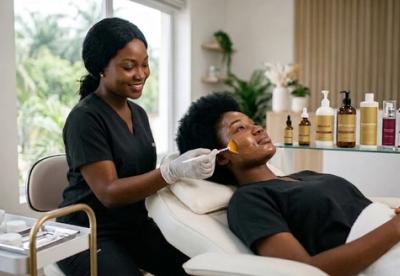
During a chemical peel in Lagos, you may experience tingling or mild stinging. After the procedure, some redness, tightness, flaking, and sensitivity to sun are common. Peeling usually begins 2–3 days later and may last up to a week for superficial peels.
- Avoid direct sunlight and use broad-spectrum sunscreen daily.
- Moisturise regularly to soothe and protect your skin.
- Do not pick or peel flaking skin, as this increases risk of dark marks.
- Follow your dermatologist’s aftercare advice strictly for best results.
Most people can return to work or social activities within a day or two after a superficial peel. Your clinic will schedule follow-up appointments to monitor recovery and adjust skincare as needed.
How does Lagos climate affect chemical peel aftercare?
Lagos' hot, humid climate and strong sunlight make diligent sun protection critical after a chemical peel. Melanin-rich skin is especially sensitive to new hyperpigmentation if exposed to UV rays during healing, so daily sunscreen is essential even on cloudy days.
You may also notice increased sweating, which can irritate healing skin. Choose non-comedogenic, fragrance-free moisturisers and avoid harsh soaps. Water quality in Lagos can sometimes be hard, so rinse thoroughly and pat skin dry after washing. If you work outdoors or have frequent power outages affecting air conditioning, plan your peel timing accordingly to reduce discomfort.
What is the difference between superficial and medium-depth peels for dark skin?
Superficial peels work on the top layer of skin and are usually safer for melanin-rich skin, with a lower risk of dark spots. Medium-depth peels penetrate deeper and can address more pronounced pigmentation or scarring but must be used cautiously in dark skin types.
Medium-depth peels, such as TCA, carry a higher risk of side effects in Nigerian skin tones. These should only be performed by dermatology clinics with experience treating hyperpigmentation in black and brown skin, and are not suited for casual or cosmetic use. Learn more about superficial and medium-depth peel safety in Lagos.
When should you see a dermatologist for a chemical peel in Nigeria?
You should see a dermatologist before deciding on a chemical peel if you have a history of dark marks, sensitive skin, keloids, or have used unregulated skin products. Professional consultation ensures the best peel is chosen for your skin’s needs and helps avoid preventable complications.
Where can you get a chemical peel for dark skin in Lagos?
Phoenix Derma offers chemical peels and pigmentation treatments from our clinic at 12B Agoro Odiyan Street, Off Adeola Odeku, Victoria Island, Lagos. A consultation involves a detailed skin assessment, discussion of your goals, and a custom treatment plan to ensure safety and suitability for your skin type and tone. Results and aftercare are reviewed in follow-up visits.
Frequently asked questions
Can chemical peels cause permanent dark spots on Nigerian skin?
Chemical peels can cause dark spots known as post-inflammatory hyperpigmentation in melanin-rich skin if performed incorrectly or with the wrong acids. However, this risk is greatly reduced when the procedure is done by a trained professional using conservative strengths and proper aftercare.
Which is better for dark skin: glycolic or salicylic acid peel?
Both glycolic and salicylic acid peels can be suitable for dark skin in Nigeria. Glycolic acid is often used for mild pigmentation or rough texture, while salicylic acid is preferred for oily and acne-prone skin. The choice depends on your specific skin concern and should be guided by a dermatologist.
How soon after a chemical peel can I go out in the Lagos sun?
It is safest to avoid direct sun exposure for at least one week after a chemical peel in Lagos. If you must go outside, use a broad-spectrum sunscreen with SPF 30 or higher, wear a hat, and seek shade whenever possible to prevent new pigmentation during healing.
Are over-the-counter chemical peels safe for dark skin in Nigeria?
Over-the-counter chemical peels are not recommended for melanin-rich skin in Nigeria, as they may contain unregulated ingredients or inappropriate acid strengths. Improper use can lead to burns, irritation, or dark marks. Always consult a qualified clinic for peels tailored to your skin type.
Share this article
Phoenix Derma
Expert dermatology and aesthetic clinic in Lagos, providing professional skin care treatments and wellness solutions. Our team of specialists is dedicated to helping you achieve healthy, radiant skin.
View Our ServicesReady to Transform Your Skin?
Book a consultation with our expert dermatologists and start your journey to healthier, more radiant skin today.
Related Articles
Continue reading to learn more about skin care and dermatology